
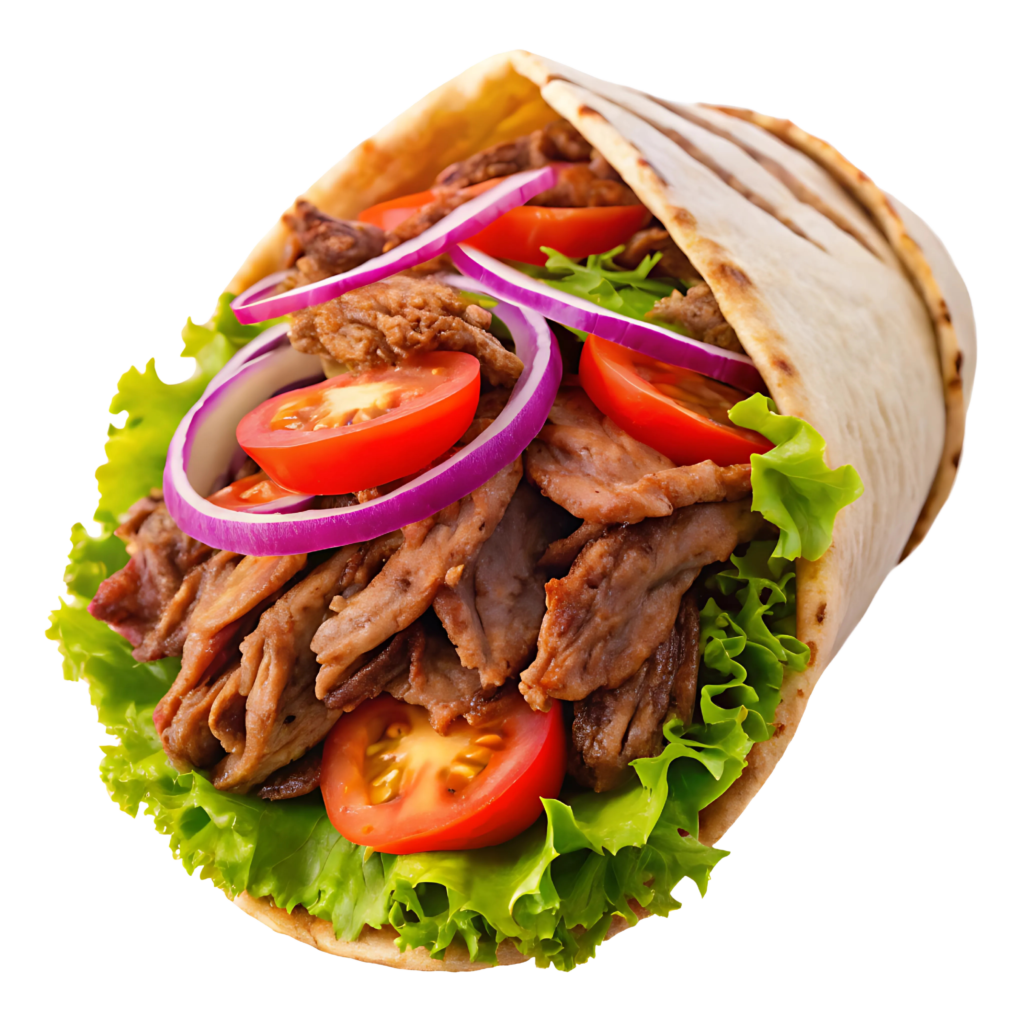
The exact tools that make this dish look and taste the way it does in the video — all on Amazon.
🔥 Viral Stats
361,900+ likes on TikTok · @mealswithmax · November 2025 · Technique: @MezeMike parchment-roll method
The Doner Kebab Everyone Was Making Last November
I’ll be honest — I walked past a doner kebab shop every week for years and never once thought to make it at home. That thing on the spinning spit looked like it required either a commercial kitchen or a small miracle. So I kept ordering it.
Then I saw the @MezeMike parchment paper method making the rounds on TikTok, reshared by @mealswithmax to the tune of 361,900 likes, and I had to stop scrolling. The concept is almost embarrassingly simple: season your ground meat, roll it paper-thin between parchment sheets, roll it up tight like a log, and bake it. The compression is the secret. It gives you those same pulled, layered strips of meat that you normally only get from a vertical rotisserie — no equipment required.
I made it on a Tuesday night. My family thought I’d ordered in.
Why This Method Actually Works
Traditional döner (the word literally means “turning” in Turkish) relies on a vertical rotisserie where layers of spiced meat slowly roast as they spin, the outer edges crisping while the interior stays juicy. At home, you’re not recreating the rotisserie — you’re recreating the layering. Rolling the meat tightly in parchment creates compressed layers that, once baked and torn apart, pull apart in strips just like shaved doner.
The fat content matters too. You want ground meat with at least 20% fat — lean meat dries out fast in a hot oven and loses the characteristic richness. Lamb is the most authentic choice. Beef works beautifully. A 50/50 mix of both is arguably the best of both worlds.
🧪 Chef Slice Tested
Made this three times to get the spice balance right. The addition of a small amount of tomato paste — a common tip from Turkish home cooks — adds depth and a subtle sweetness that pure spice blends miss. Don’t skip it.
Ingredients
For the doner meat:
- 500g (1.1 lb) ground lamb, beef, or a mix — at least 20% fat
- 1 small onion, grated (squeeze out excess moisture)
- 3 garlic cloves, minced or pressed
- 2 tbsp full-fat plain yogurt
- 1 tsp tomato paste
- 1 tsp ground cumin
- 1 tsp smoked paprika
- ½ tsp dried oregano
- ½ tsp ground coriander
- ¼ tsp cayenne pepper (adjust to taste)
- 1 tsp salt
- ½ tsp black pepper
- 1 tbsp olive oil
To serve:
- Warm pita or flatbread
- Sliced tomato, cucumber, red onion
- Shredded iceberg lettuce
- Pickled chillies or jalapeños
- Garlic yogurt sauce (plain yogurt + garlic + lemon + salt)
- Chilli sauce (optional)
Instructions
1. Mix the meat
Combine all the doner meat ingredients in a large bowl. Mix with your hands for a solid 2–3 minutes until the mixture becomes sticky and cohesive — this step is critical. The stickiness is what holds the layers together during baking. Don’t rush it.
2. Roll it thin
Divide the meat into 2–3 equal portions. Place one portion on a large sheet of parchment paper. Lay a second sheet on top and use a rolling pin to flatten it into a thin, even rectangle — roughly 3–4mm thick. The thinner you roll it, the better the layered texture will be once baked.
3. Roll it up tight
Remove the top sheet of parchment. Starting from the short end, roll the meat tightly using the bottom sheet of parchment as a guide — roll in 2-inch increments, pressing firmly as you go. Twist the ends of the parchment to seal like a cracker. Repeat with remaining portions.
4. Bake
Preheat your oven to 400°F / 205°C. Place the parchment rolls on a rimmed baking sheet. Bake for 20–25 minutes until cooked through. Rest for 5 minutes before unwrapping.
5. Tear and crisp
Unwrap and tear the baked meat into strips by hand. For charred edges — which make a big difference — toss the strips into a screaming-hot cast iron skillet for 2–3 minutes. Cast iron holds heat differently than stainless or non-stick; it doesn’t drop temperature when the cold meat hits the pan, which is exactly what gives you that proper char rather than a sad steam. I use the Lodge 12″ cast iron skillet for this — it’s been in my kitchen for years and it’s what you see in every video. This is the step most people skip and shouldn’t.
6. Assemble and serve
Warm your pita. Load it with meat, toppings, and sauce. Serve immediately.
💡 Pro Tips
- Grate, don’t chop the onion. Finely grated onion distributes flavor evenly and doesn’t leave chunky bits in the meat.
- Squeeze the grated onion dry. Excess moisture prevents the meat from binding properly. Use a clean cloth or paper towel.
- Don’t overbake. Pull it when just cooked through. The pan-crisping step at the end is where you get the charred edges — overbaking makes it dry.
- Fat is not negotiable. If your ground meat is too lean, the result will be dense and dry. Mix in a little olive oil if needed.
- Rest before tearing. Give it 5 minutes out of the oven. It’ll hold together better and stay juicier.
Serving Suggestions
The classic serve is in warm pita with shredded lettuce, sliced tomato, red onion, and a heavy drizzle of garlic yogurt sauce. Add pickled chillies if you want heat.
You can also serve the meat over rice with a salad on the side for a plated version — popular in Turkish restaurants as “tabak doner.” A simple tomato and parsley salad with lemon cuts through the richness nicely. Leftover meat reheats well in a pan — don’t microwave it or you’ll lose the crisped edges.
FAQ
Can I use chicken?
Yes — ground chicken or turkey works but you’ll need to add extra olive oil to compensate for the lower fat content. Seasoning stays the same.
What’s the difference between doner kebab and gyros?
Both cook meat on a vertical spit, but they come from different traditions. Doner is Turkish, gyros is Greek. The seasoning profiles differ — doner leans on cumin, paprika, and coriander; gyros typically features oregano, rosemary, and sometimes cinnamon. The toppings differ too: gyros is always served with tzatziki, doner more commonly with garlic yogurt or chilli sauce.
Can I make this ahead of time?
Yes — the rolled, unbaked portions can be refrigerated for up to 24 hours or frozen. Bake from cold, adding 5 minutes to the cooking time.
Why is my doner dry?
Almost always the fat content. Use at least 20% fat ground meat and don’t overbake. Pull it as soon as it’s cooked through, then finish in a hot pan.
Do I need a food processor?
No — hand mixing works fine. A food processor can speed up the onion and garlic prep, but it’s not required.
Sources
- RecipeTin Eats — Doner Kebab Meat (Beef or Lamb)
- The Cooking Foodie — Viral Homemade Doner Kebab
- The Cooking Twins — Viral Doner Kebab (Easy TikTok Oven Method)
- Wikipedia — Döner Kebab (history and origins)
🍴 Want to remix this recipe?
Ask Chef Slice for a chicken version, a spicier blend, or a low-carb bowl variation — tailored to what’s in your fridge.
Chat with Chef Slice →Shop the Complete Recipe Kit
Want to recreate this exactly like in the video? I’ve linked everything I use — grab it all from Amazon and start cooking (and filming) like this tomorrow.
📦 Get My Exact Kitchen SetupLinks open on Amazon · I earn a small commission · Prices stay the same for you
Chef Slice is the taste-tester, trend-tracker, and head food nerd behind CookingViral. Always first in line when something goes viral on TikTok — and honest enough to tell you when it doesn’t live up to the hype.